
Mukomas

Organic Food Shop

Day: May 29, 2019

Umkhemeswane

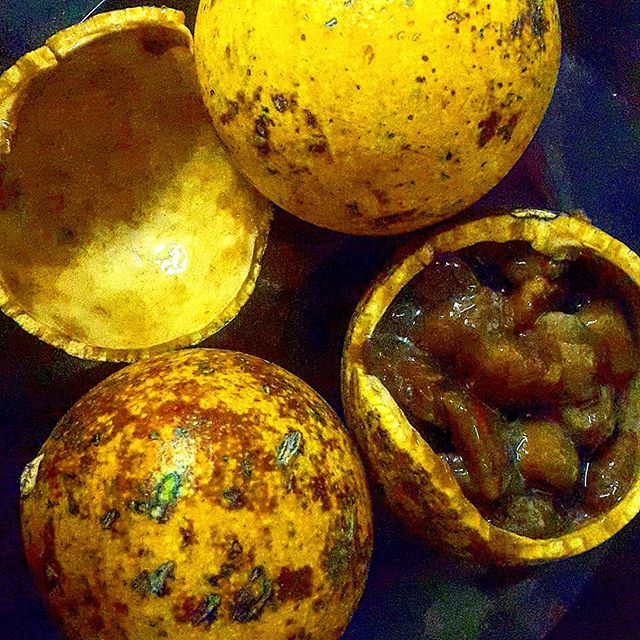
Umkhemeswane: Zimbabwe’s Indigenous Monkey Orange When talking about Zimbabwe’s indigenous fruits, umkhemeswane is one of the traditional fruits that deserves more attention. Known in English as the bitter monkey orange, it is associated with the scientific name Strychnos cocculoides. In Shona, it is known by names including mutamba-muzhinya and muzhumu. For generations, fruits such as umkhemeswane have formed part of Zimbabwe’s traditional food systems, particularly in rural communities. They are not simply seasonal snacks; indigenous fruit trees can contribute to food diversity, household nutrition and local livelihoods. What is umkhemeswane? Umkhemeswane is the fruit of a tree belonging to the Strychnos genus. The fruit has a characteristic hard outer covering, with edible pulp inside when mature. Historical descriptions of Zimbabwe’s indigenous foods record the ripe fruit as being eaten fresh. The fruit is traditionally associated with the March-to-August period in Zimbabwe, although availability can vary according to location and seasonal conditions. Research on indigenous foods has documented the fruit being available in places including Bulawayo and Harare. A fruit with cultural significance One of the interesting things about umkhemeswane is the knowledge surrounding indigenous foods. Before supermarkets and modern food distribution systems became dominant, communities relied much more heavily on seasonal fruits, vegetables and other locally available foods. Research into Zimbabwean indigenous food plants has documented umkhemeswane among fruits gathered and consumed by communities. More recent research has also recorded households in southern Zimbabwe gathering it as a seasonal food supplement. This makes umkhemeswane part of a much bigger story: Zimbabwe has a rich indigenous food heritage that includes many fruits that are still relatively underappreciated. Umkhemeswane and the environment Indigenous fruit trees have value beyond the food they produce. Zimbabwean research has noted that indigenous fruits can form part of the food supply for both people and wildlife. This means conserving the trees can have ecological as well as nutritional importance. Protecting indigenous trees also helps preserve traditional knowledge. When an indigenous fruit disappears from an area, communities can lose not only a food source but also knowledge about its seasons, harvesting and traditional uses. More than just a “wild fruit” There is an interesting debate in Zimbabwe about the terminology used for indigenous fruits. Calling these foods “wild fruits” can sometimes make them sound like products of little economic or cultural value. Zimbabwean agricultural and academic discussions have increasingly highlighted the potential of indigenous fruits as local natural resources that can support food production, processing and enterprise development. Recent discussions around Zimbabwe’s indigenous fruit sector have specifically mentioned umkhemeswane alongside other indigenous fruits such as matamba. This raises an important question: what if Zimbabwe’s indigenous fruits were treated not merely as traditional foods, but as part of the country’s agricultural heritage and future food economy? Potential opportunities There is considerable room for innovation around indigenous fruits. Depending on the particular species and appropriate food-safety practices, indigenous fruits can potentially become ingredients for processed foods and other products. The broader indigenous-fruit sector already demonstrates possibilities such as juices, jams and other value-added products. Research has also highlighted the importance of indigenous fruits in household food systems and local markets. For Zimbabwe, developing such resources responsibly could create opportunities for: Small-scale fruit growers Rural communities Food processors Researchers Indigenous-knowledge holders Agricultural entrepreneurs Conservation initiatives Preserving the knowledge Perhaps one of the most important reasons to talk about umkhemeswane is preservation of knowledge. Younger generations may know common supermarket fruits such as apples, oranges and grapes while being less familiar with fruits that naturally occur in Zimbabwe. Documenting their local names, seasons, traditional uses and ecological importance helps prevent this knowledge from disappearing. At the same time, traditional knowledge should be treated respectfully, particularly where communities have maintained and passed it down over generations. A piece of Zimbabwe’s natural heritage Umkhemeswane is more than an unfamiliar fruit growing somewhere in the bush. It represents a connection between food, culture, biodiversity and traditional knowledge. Zimbabwe’s indigenous fruits offer an opportunity to look again at what grows naturally in the country and ask how these resources can be conserved, researched and responsibly developed. The next time umkhemeswane appears in season, it is worth remembering that this humble indigenous fruit is part of a much larger story — the story of Zimbabwe’s botanical heritage and the traditional knowledge built around it.
idelele

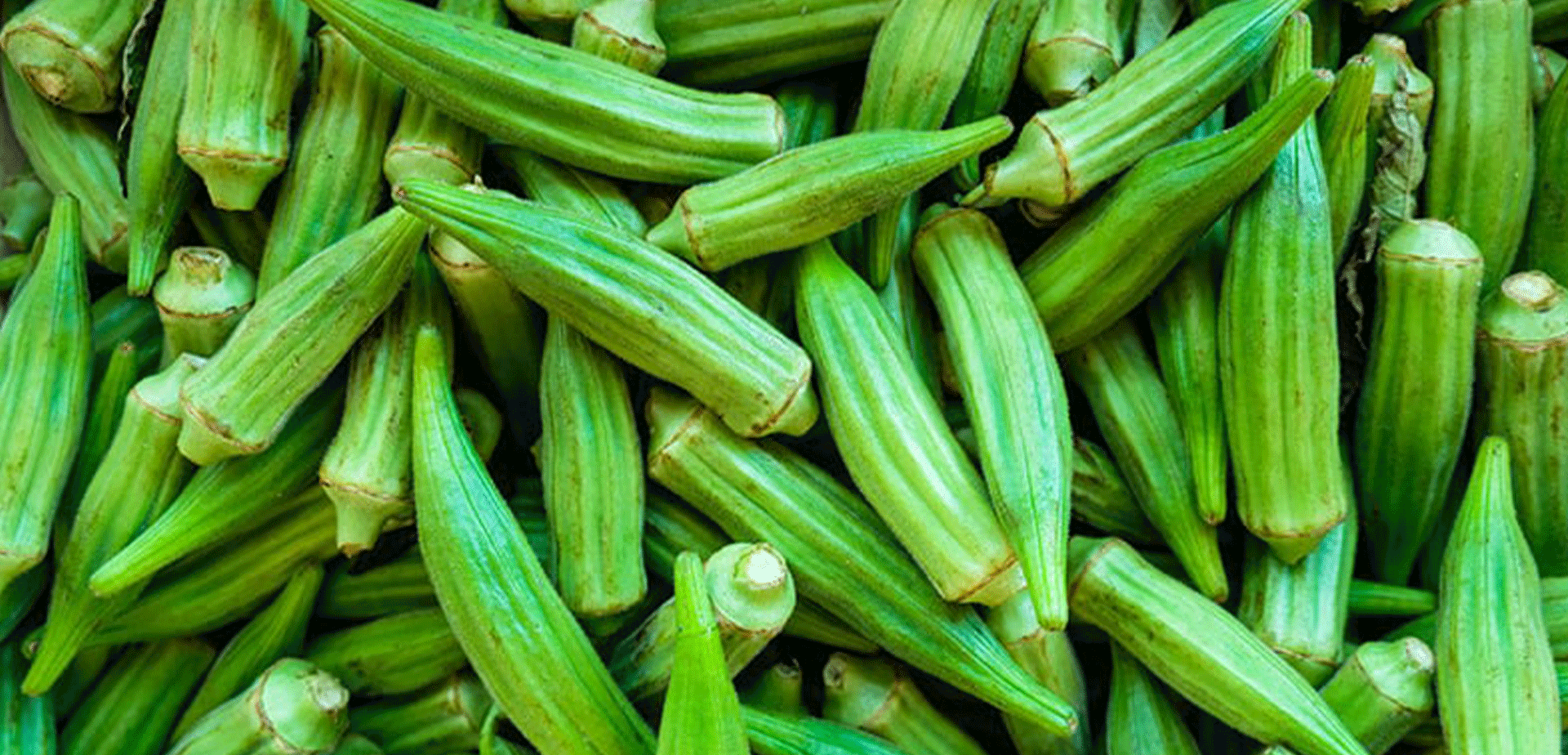
Idelele: The Traditional Zimbabwean Vegetable With More to Offer Than Meets the Eye In many Zimbabwean homes, idelele is more than just a vegetable. Known as derere in Shona and commonly called okra or lady’s fingers in English, it has long been part of traditional Zimbabwean cooking. Its distinctive green pods and naturally slippery, thickening texture make it instantly recognizable. For some people, that texture is exactly what makes idelele special; for others, it is an acquired taste. But behind this humble vegetable is a food with nutritional, cultural and even economic significance. What exactly is idelele? Idelele is the Ndebele name for Abelmoschus esculentus, the plant commonly known as okra. It belongs to the mallow family and is cultivated for its edible pods. The plant can grow to around two metres and produces attractive yellow flowers with dark centres before developing its characteristic pods. Although okra is cultivated rather than classified as an indigenous Zimbabwean plant, it has become well established in Zimbabwean food culture. Research documenting Zimbabwean traditional vegetables lists okra among commonly consumed vegetables, with the fruits being used as food and dried for later use. Idelele in Zimbabwean cuisine One of idelele’s defining characteristics is its natural mucilage — a substance that gives cooked okra its characteristic thick and slightly slippery consistency. This natural thickening quality makes it particularly useful in traditional relishes, soups and stews. It can be eaten fresh, cooked into a relish, or preserved by drying. Traditional knowledge documentation from Zimbabwe records practices in which okra is dried either raw or after partial boiling. In some areas, the whole plant is dried and later crushed into powder for use in soups and stews. This is an important reminder that traditional food preservation was not simply about storing food. It was also a way of making seasonal produce available beyond its immediate harvest period. A vegetable with nutritional value Idelele can contribute a range of nutrients to the diet. Okra contains dietary fibre and provides nutrients including vitamin C, folate, calcium and magnesium. Its mucilage also contributes to the characteristic texture that makes it useful as a natural thickener. However, it is important not to present idelele as a miracle food or a treatment for disease. Its greatest nutritional value comes from being part of a varied and balanced diet. Fresh or dried? One of the fascinating aspects of idelele is that it can be enjoyed in different forms. Fresh idelele Fresh pods can be cooked as a vegetable or incorporated into relish and stews. Younger pods are generally preferred because they are more tender. Dried idelele Drying provides a way of preserving the vegetable for later consumption. Zimbabwean traditional-food research documents dried okra as part of indigenous food-preservation practices. Dried idelele can subsequently be used in cooking, providing households with another way of maintaining access to vegetables outside the main growing period. Idelele and food security Traditional vegetables have an important role in household food security. Research on Zimbabwean traditional vegetables has documented their contribution to household diets and noted that dried vegetables can become particularly valuable during periods when fresh vegetables are less available. This makes foods such as idelele relevant to conversations about more than taste. They are also connected to seasonality, food preservation, household resilience and traditional knowledge. From the family garden to business There is also potential for idelele beyond the household kitchen. Zimbabwe has a growing interest in African indigenous vegetables and traditional crops. The African Indigenous Vegetables Institute at Marondera University of Agricultural Science and Technology specifically includes okra (derere/idelele) among the vegetables it promotes for sustainable production, consumption and industrial use. This opens possibilities for farmers and food entrepreneurs to explore products such as: Fresh okra Dried idelele Okra powder Packaged traditional vegetable products Processed relishes Value-added food products Developing such products responsibly could help connect traditional food knowledge with modern markets. Preserving traditional knowledge There is another reason idelele deserves attention: knowledge preservation. Zimbabwe has a rich tradition of preparing and preserving vegetables using locally developed methods. Documenting these practices helps ensure that knowledge passed from one generation to another does not disappear. Research into Zimbabwean indigenous foods has repeatedly pointed to gaps in documentation, processing knowledge and commercialization of traditional foods. Idelele therefore provides an interesting example of how an everyday food can sit at the intersection of culture, agriculture, nutrition and entrepreneurship. Idelele is more than “just derere” For someone who grew up eating idelele, it may seem like an ordinary vegetable. But look a little closer and there is a much bigger story. It connects the garden to the kitchen, the kitchen to traditional knowledge, and traditional knowledge to modern questions about nutrition, food security and sustainable agriculture. Whether served fresh in a relish, dried for later use or explored as a potential commercial food product, idelele demonstrates that some of the most valuable foods do not need to be exotic or fashionable. Sometimes, they have been sitting in our gardens and kitchens all along. Idelele — derere, okra, lady’s fingers — is a simple vegetable with a surprisingly rich story.

Umtshwankela

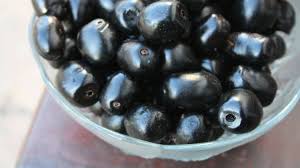
Umtshwankela: Zimbabwe’s Chocolate Berry There are fruits that arrive in supermarkets beautifully packaged and labelled, and then there are fruits that carry something different: memory, place and tradition. Umtshwankela is one of those fruits. Known in English as the chocolate berry and scientifically as Vitex payos, umtshwankela is a native Zimbabwean fruit that has been enjoyed as part of traditional food culture. In Shona, it is known by several names, including mutsubvu, mudyagava, muhubbva and mukubvu. For many Zimbabweans, particularly those familiar with indigenous fruits, the sight of an umtshwankela tree can bring back memories of childhood, rural landscapes and the excitement of finding seasonal fruit. What is umtshwankela? Umtshwankela is the fruit of Vitex payos, a shrub or small tree belonging to the mint family, Lamiaceae. The tree has a distinctive appearance. It can have grey-brown, deeply fissured bark, while its leaves are compound and usually made up of five leaflets. Its flowers are small and attractive, with white petals and a deep mauve centre. The fruit develops into a fleshy, shiny, dark-coloured berry. That dark fruit is the reason for its English name, chocolate berry. A fruit rooted in Zimbabwean food traditions Umtshwankela is not simply a botanical curiosity. It has been documented among Zimbabwe’s indigenous fruits and traditional foods. Research on wild food plants in Zimbabwe records Vitex payos under the names mutsubvu, mudyagava and umtshwankela, with the fruit traditionally eaten raw. The same research records its availability during approximately April to June in some locations. More recent research has also documented the consumption of umtshwankela in rural communities, demonstrating that indigenous fruits continue to form part of local food traditions. What does umtshwankela look like? The fruit is relatively small, fleshy and dark when mature. Its appearance is one of its most distinctive characteristics. Instead of the bright colours associated with many commercial fruits, the ripe chocolate berry has a darker appearance that gives it its memorable English name. The tree itself can also become an important feature of the landscape. Reports from Zimbabwe have documented families deliberately maintaining wild fruit trees around their homes, including umtshwankela, rather than removing them. This practice reflects an important traditional understanding: a tree can be valuable even when it has not been planted as part of a formal orchard. How is umtshwankela eaten? Traditionally, the ripe fruit is eaten fresh, with the edible pulp consumed from the fruit. Zimbabwean indigenous-food research records the fruit being eaten raw. This simple method of eating it is part of what makes indigenous fruits interesting. They can often be consumed with very little processing, allowing people to enjoy seasonal produce directly from the tree. At the same time, traditional knowledge about any wild or indigenous fruit should be respected, and correct identification is important because different plants can have similar local names. Why is it called the chocolate berry? The English name chocolate berry is commonly associated with Vitex payos. Zimbabwe’s Flora database and national agricultural documentation both identify Vitex payos with this English name and umtshwankela as its Ndebele name. The name gives the fruit an intriguing identity, especially to people encountering it for the first time. But perhaps its most important identity is not its English name. It is the name used by the communities who have known the tree for generations. Umtshwankela and biodiversity Indigenous fruit trees are valuable components of Zimbabwe’s biodiversity. Traditional agricultural practices have sometimes involved deliberately leaving useful indigenous trees standing when land is cleared for cultivation. Historical documentation of Zimbabwe’s indigenous fruit trees specifically includes Vitex payos among the trees conserved and valued by communities. This illustrates an important principle of traditional land management: food production and conservation do not always have to be separate activities. A tree growing naturally in a field can provide food while remaining part of the wider ecosystem. A potential source of income Umtshwankela also presents an interesting opportunity for thinking about the commercial potential of indigenous foods. The fruit has traditionally been eaten fresh, but modern food innovation can sometimes find new ways of presenting traditional ingredients. A striking recent example comes from the National University of Science and Technology (NUST), where its catering team incorporated umtshwankela pulp into a chocolate cake as part of an effort to reinterpret indigenous Zimbabwean foods through modern cuisine. This demonstrates an important possibility: traditional foods do not necessarily have to remain confined to traditional forms of consumption. With appropriate research, food-safety controls and community involvement, indigenous fruits can inspire new products and culinary ideas. Preserving indigenous knowledge Perhaps the greatest value of umtshwankela is not simply the fruit itself. It is the knowledge surrounding it. People have knowledge about when the fruit appears, where the trees grow, how the ripe fruit is recognised and how it is traditionally consumed. When younger generations become disconnected from indigenous foods, some of this knowledge can disappear. Zimbabwe’s indigenous fruit heritage therefore deserves documentation and preservation. Teaching children and young people about these plants can help create a connection between biodiversity, food, culture and history. More than a wild berry It is easy to look at a small dark fruit and think of it as insignificant. But umtshwankela tells a much bigger story. It tells the story of Zimbabwean landscapes, traditional food systems, indigenous trees and generations of knowledge. It also demonstrates that traditional foods can inspire modern innovation without losing their cultural identity. From a fruit eaten fresh under the shade of a tree to an ingredient used in a modern dessert, umtshwankela shows how Zimbabwe’s natural heritage can connect the past with the present. Umtshwankela at a glance Ndebele name: UmtshwankelaEnglish name: Chocolate berryScientific name: Vitex payosShona names: Mutsubvu, Mudyagava, Muhubbva, Mukubvu and othersPlant: Native shrub or small treeFruit: Fleshy, dark, shiny berryTraditional use: Ripe fruit eaten freshRecorded season: Approximately April–June in some Zimbabwean locations Celebrating what grows around us Zimbabwe has an extraordinary collection of indigenous fruits, yet many remain unfamiliar outside the communities that have traditionally used them. Umtshwankela reminds us

Scroll to top