
Mukomas

Organic Food Shop

Healthy Foods

Mazhanje

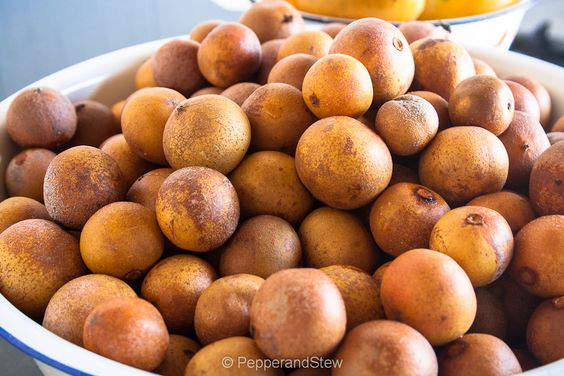
Mazhanje: Zimbabwe’s Famous Indigenous Fruit Few indigenous fruits are as strongly associated with Zimbabwe as mazhanje. When the fruit comes into season, its distinctive yellow-to-orange colour, sweet flavour and characteristic aroma make it difficult to miss. For generations, Zimbabweans have gathered mazhanje from the countryside, eaten it fresh and sold it along roadsides and in local markets. Known scientifically as Uapaca kirkiana, mazhanje is one of the most important indigenous fruit trees of the miombo woodlands of southern Africa. In Zimbabwe it is also known as muzhanje, while an Ndebele name recorded in national plant-genetic-resources documentation is umhobohobo. What is mazhanje? Mazhanje is the fruit of Uapaca kirkiana, a tree belonging to the family Phyllanthaceae. It is naturally distributed across parts of southern and central Africa, including Zimbabwe, Zambia, Malawi, Mozambique and Tanzania. The species is particularly associated with miombo woodland and can grow in relatively dry environments. This ability to grow under conditions where some exotic fruit trees may struggle is one of the reasons mazhanje has attracted attention as a potentially important indigenous food resource. The tree behind the fruit The mazhanje tree is not usually an enormous forest giant. Instead, it forms part of the woodland landscape, sometimes occurring in groups or groves. Research on Uapaca kirkiana describes it as a characteristic miombo fruit tree and notes that it can occur abundantly in suitable areas. It is associated with well-drained soils and environments with a pronounced wet and dry season. Its relationship with the surrounding woodland is important. The tree is not simply an agricultural crop; it is part of a larger natural ecosystem. A fruit people have gathered for generations Mazhanje has a long history as a traditional food in Zimbabwe. Research on wild fruits in Zimbabwe found that most rural households made use of edible fruits from indigenous woody plants. The study also found that wild fruits were particularly important during periods of seasonal food stress and that there was a significant trade in wild fruits. Mazhanje fits naturally into this story. It has traditionally been collected from trees growing in the wild and eaten by families, while surplus fruit has been sold to other consumers. What does mazhanje taste like? A ripe mazhanje has a distinctive sweet and fruity flavour and a soft, fleshy texture. For many people who grew up eating it, the taste is strongly associated with childhood, rural travel and the arrival of the fruit season. The fruit is generally eaten fresh once mature. The skin and seeds are not usually the main edible portion; it is the fleshy pulp that people seek. And because mazhanje is seasonal, part of its appeal comes from its limited availability. When the season arrives, you enjoy it while it lasts. Mazhanje at the roadside One of the most recognisable sights during the mazhanje season is the fruit being sold along Zimbabwe’s roads. Research and Zimbabwean government documentation describe mazhanje as one of the country’s important indigenous fruits, with fruit sold in urban centres and along highways even though it has historically had little presence in formal commercial markets. This informal trade is significant. It demonstrates that an indigenous fruit does not need a supermarket supply chain to have economic value. A tree growing in a rural area can provide fruit that becomes an immediate source of income for households when the fruit is harvested and taken to market. More than a seasonal snack Mazhanje has traditionally been used in several ways. A Zimbabwean FAO publication documenting traditional food practices records muzhanje (Uapaca kirkiana) as being used for food and traditional alcoholic beverages, while the kernels have also been associated with food uses. Modern research has expanded interest in the fruit’s possibilities. A comprehensive review of Uapaca kirkiana describes ripe fruit being eaten raw and notes traditional processing into different products, including non-alcoholic beverages and traditional cakes. This suggests that mazhanje has always had more potential than simply being eaten straight from the tree. Mazhanje and nutrition Mazhanje has attracted scientific interest because of its nutritional composition. Research reviews describe the fruit as providing essential minerals and identify it as a potential source of vitamin C. At the same time, researchers caution that nutritional data for many indigenous fruits remain limited compared with those available for major commercial crops. That distinction is important. Mazhanje can contribute useful nutrients as part of a varied diet, but claims that any indigenous fruit can prevent or cure particular diseases should not be made without appropriate clinical evidence. The real opportunity is to better understand the nutritional value of foods Zimbabweans already know and consume. Mazhanje and food security One of the strongest arguments for indigenous fruits is their relationship with local food systems. Uapaca kirkiana is adapted to relatively hot and dry conditions and can provide fruit in environments where some exotic fruit crops are less suited. A scientific review identifies its potential contribution to nutrition, food security and rural livelihoods, particularly in arid and semi-arid regions. This makes mazhanje particularly relevant as Zimbabwe considers how to make food systems more resilient. Instead of relying exclusively on a small number of imported or commercially cultivated fruits, indigenous trees can form part of a broader agricultural and food-security strategy. From wild fruit to business Perhaps one of the biggest opportunities surrounding mazhanje is value addition. At present, much of the fruit trade is based around fresh fruit. But fresh fruit is highly seasonal and can be difficult to transport and store for long periods. Processing could potentially change that. Possible areas for development include: Mazhanje juice Dried mazhanje Mazhanje pulp Jams and preserves Traditional baked products Non-alcoholic beverages Other fruit-based products Research has specifically identified fruit processing, post-harvest handling and marketing as important areas for further development. The challenge is to develop these opportunities while maintaining food safety, quality and sustainable harvesting practices. Why processing matters Imagine two scenarios. In the first, a farmer harvests mazhanje and has only a few days or weeks to sell the fresh
Umviyo

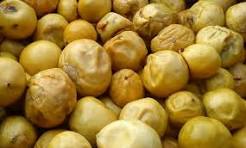
Umviyo: Zimbabwe’s Wild Medlar Long before indigenous fruits began appearing in conversations about food security, nutrition and local enterprise, fruits such as umviyo were already part of Zimbabwean life. Known in English as the wild medlar or velvet wild medlar, umviyo is the fruit of Vangueria infausta, a native African tree found widely across Zimbabwe and other parts of sub-Saharan Africa. In Shona, it is known by names including munzvirwa, munzviro, munjiro and mudzvirungombe. For generations, the fruit has been gathered and eaten as a seasonal food. Today, researchers are increasingly interested in its nutritional composition, functional properties and potential for value addition. What is umviyo? Umviyo comes from Vangueria infausta subsp. infausta, a deciduous shrub or small tree belonging to the Rubiaceae family. The tree generally grows between about 3 and 8 metres tall. It can have several stems, with greyish to yellowish-brown bark and branches covered with fine hairs. Its leaves are relatively large and distinctive, while the fruit is rounded and develops into a yellowish-brown fruit when mature. The species is native to Zimbabwe, and the Flora of Zimbabwe records umviyo as one of its Ndebele names. The wild medlar The English name wild medlar gives a useful clue about the fruit’s character. When ripe, umviyo develops a soft, mealy flesh with a pleasant sweet-sour flavour. Recent research describes its taste as somewhat similar to an apple. The fruit is therefore quite different from the crisp texture of an ordinary cultivated apple. Its soft, almost creamy or mealy texture is one of the characteristics that makes it distinctive. For people who grew up eating indigenous fruits, however, this unusual texture is not strange at all. It is simply part of what makes umviyo umviyo. When does umviyo appear? Umviyo is a seasonal fruit. Research on Vangueria infausta in Zimbabwe reports that the tree generally flowers between September and November, with the fruits ripening from approximately November to April. That makes the fruit an important seasonal resource, particularly in communities where indigenous fruits remain part of the local food system. The exact timing can naturally vary according to location, rainfall and other environmental conditions. How is umviyo eaten? Traditionally, ripe umviyo is eaten fresh and raw. The fruit can also be dried, extending its usefulness beyond the immediate harvesting period. Research on Zimbabwean indigenous foods records traditional consumption of the fruit and its use in processed forms. Modern research has also noted possibilities for processing umviyo into products such as: Juice Jam Dried fruit Flavouring ingredients Other value-added food products The fruit has also traditionally been used as a flavouring ingredient in porridge. A fruit with an interesting flavour One of the reasons umviyo deserves more attention is its flavour profile. Researchers describe the ripe fruit as having a sweet-sour, mealy taste, with similarities to apple. This combination could make the fruit interesting for food-product development. Instead of thinking of umviyo only as something eaten directly from the tree, it can also be viewed as a potential raw material for locally developed products. Umviyo and nutrition Indigenous fruits are increasingly being investigated for their nutritional and functional properties. A 2025 study specifically examined Zimbabwean Vangueria infausta fruit, investigating its phytochemicals, volatile compounds, organic acids and antioxidant activity. The researchers detected several groups of phytochemicals, including phenols, flavonoids, tannins, terpenoids and glycosides. These findings are scientifically interesting, but they should not be interpreted as proof that umviyo is a treatment for particular illnesses. Nutritional research and laboratory measurements are different from clinical evidence. What they do demonstrate is that this traditional fruit contains a range of compounds worthy of further study. From traditional food to scientific research For a long time, indigenous fruits received relatively little attention from formal food research. That is changing. A 2025 study by researchers from Midlands State University and the University of Eswatini examined umviyo collected from vendors at Ascot Market in Gweru. The research looked at its functional properties and chemical composition. This is significant because it shows how traditional foods can move from local knowledge into modern scientific investigation. The researchers also identified the need for further work on value addition, propagation and conservation of the fruit. Umviyo and household livelihoods Indigenous fruits can have an economic role as well as a nutritional one. Research into Zimbabwe’s indigenous fruits notes that these foods are increasingly appearing in urban markets and can contribute to household income. At the same time, substantial quantities can be lost because of limited processing and preservation infrastructure. This creates an interesting opportunity. If umviyo can be harvested sustainably and processed appropriately, it could potentially support small-scale enterprises producing things such as dried fruit, juices, jams and other food products. The challenge is to develop these opportunities without undermining the communities and traditional knowledge that have preserved these resources. Why value addition matters Imagine the difference between selling a seasonal fruit only when it is fresh and being able to transform it into a product with a longer shelf life. Value addition could potentially allow umviyo to move from: Tree → fresh fruit to: Tree → processing → packaged food → market This could help reduce post-harvest losses while creating additional economic opportunities. Zimbabwe’s research literature on indigenous fruits identifies processing, preservation and commercialization as areas that still require greater development. A review found that traditional processing and preservation methods have been documented for only a portion of the many indigenous fruits recorded in the country. Umviyo and traditional knowledge There is also an important cultural dimension to this fruit. Traditional knowledge includes understanding: What the tree looks like Where it grows When it flowers When the fruit becomes ripe How the fruit is eaten How it can be preserved What local names are used for it This knowledge is often passed between generations rather than written in textbooks. As lifestyles change, documenting this information becomes increasingly important. The name umviyo itself is part of that cultural heritage. Indigenous fruits and biodiversity An indigenous fruit tree is not

Umtshwankela

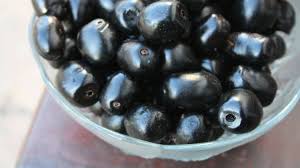
Umtshwankela: Zimbabwe’s Chocolate Berry There are fruits that arrive in supermarkets beautifully packaged and labelled, and then there are fruits that carry something different: memory, place and tradition. Umtshwankela is one of those fruits. Known in English as the chocolate berry and scientifically as Vitex payos, umtshwankela is a native Zimbabwean fruit that has been enjoyed as part of traditional food culture. In Shona, it is known by several names, including mutsubvu, mudyagava, muhubbva and mukubvu. For many Zimbabweans, particularly those familiar with indigenous fruits, the sight of an umtshwankela tree can bring back memories of childhood, rural landscapes and the excitement of finding seasonal fruit. What is umtshwankela? Umtshwankela is the fruit of Vitex payos, a shrub or small tree belonging to the mint family, Lamiaceae. The tree has a distinctive appearance. It can have grey-brown, deeply fissured bark, while its leaves are compound and usually made up of five leaflets. Its flowers are small and attractive, with white petals and a deep mauve centre. The fruit develops into a fleshy, shiny, dark-coloured berry. That dark fruit is the reason for its English name, chocolate berry. A fruit rooted in Zimbabwean food traditions Umtshwankela is not simply a botanical curiosity. It has been documented among Zimbabwe’s indigenous fruits and traditional foods. Research on wild food plants in Zimbabwe records Vitex payos under the names mutsubvu, mudyagava and umtshwankela, with the fruit traditionally eaten raw. The same research records its availability during approximately April to June in some locations. More recent research has also documented the consumption of umtshwankela in rural communities, demonstrating that indigenous fruits continue to form part of local food traditions. What does umtshwankela look like? The fruit is relatively small, fleshy and dark when mature. Its appearance is one of its most distinctive characteristics. Instead of the bright colours associated with many commercial fruits, the ripe chocolate berry has a darker appearance that gives it its memorable English name. The tree itself can also become an important feature of the landscape. Reports from Zimbabwe have documented families deliberately maintaining wild fruit trees around their homes, including umtshwankela, rather than removing them. This practice reflects an important traditional understanding: a tree can be valuable even when it has not been planted as part of a formal orchard. How is umtshwankela eaten? Traditionally, the ripe fruit is eaten fresh, with the edible pulp consumed from the fruit. Zimbabwean indigenous-food research records the fruit being eaten raw. This simple method of eating it is part of what makes indigenous fruits interesting. They can often be consumed with very little processing, allowing people to enjoy seasonal produce directly from the tree. At the same time, traditional knowledge about any wild or indigenous fruit should be respected, and correct identification is important because different plants can have similar local names. Why is it called the chocolate berry? The English name chocolate berry is commonly associated with Vitex payos. Zimbabwe’s Flora database and national agricultural documentation both identify Vitex payos with this English name and umtshwankela as its Ndebele name. The name gives the fruit an intriguing identity, especially to people encountering it for the first time. But perhaps its most important identity is not its English name. It is the name used by the communities who have known the tree for generations. Umtshwankela and biodiversity Indigenous fruit trees are valuable components of Zimbabwe’s biodiversity. Traditional agricultural practices have sometimes involved deliberately leaving useful indigenous trees standing when land is cleared for cultivation. Historical documentation of Zimbabwe’s indigenous fruit trees specifically includes Vitex payos among the trees conserved and valued by communities. This illustrates an important principle of traditional land management: food production and conservation do not always have to be separate activities. A tree growing naturally in a field can provide food while remaining part of the wider ecosystem. A potential source of income Umtshwankela also presents an interesting opportunity for thinking about the commercial potential of indigenous foods. The fruit has traditionally been eaten fresh, but modern food innovation can sometimes find new ways of presenting traditional ingredients. A striking recent example comes from the National University of Science and Technology (NUST), where its catering team incorporated umtshwankela pulp into a chocolate cake as part of an effort to reinterpret indigenous Zimbabwean foods through modern cuisine. This demonstrates an important possibility: traditional foods do not necessarily have to remain confined to traditional forms of consumption. With appropriate research, food-safety controls and community involvement, indigenous fruits can inspire new products and culinary ideas. Preserving indigenous knowledge Perhaps the greatest value of umtshwankela is not simply the fruit itself. It is the knowledge surrounding it. People have knowledge about when the fruit appears, where the trees grow, how the ripe fruit is recognised and how it is traditionally consumed. When younger generations become disconnected from indigenous foods, some of this knowledge can disappear. Zimbabwe’s indigenous fruit heritage therefore deserves documentation and preservation. Teaching children and young people about these plants can help create a connection between biodiversity, food, culture and history. More than a wild berry It is easy to look at a small dark fruit and think of it as insignificant. But umtshwankela tells a much bigger story. It tells the story of Zimbabwean landscapes, traditional food systems, indigenous trees and generations of knowledge. It also demonstrates that traditional foods can inspire modern innovation without losing their cultural identity. From a fruit eaten fresh under the shade of a tree to an ingredient used in a modern dessert, umtshwankela shows how Zimbabwe’s natural heritage can connect the past with the present. Umtshwankela at a glance Ndebele name: UmtshwankelaEnglish name: Chocolate berryScientific name: Vitex payosShona names: Mutsubvu, Mudyagava, Muhubbva, Mukubvu and othersPlant: Native shrub or small treeFruit: Fleshy, dark, shiny berryTraditional use: Ripe fruit eaten freshRecorded season: Approximately April–June in some Zimbabwean locations Celebrating what grows around us Zimbabwe has an extraordinary collection of indigenous fruits, yet many remain unfamiliar outside the communities that have traditionally used them. Umtshwankela reminds us

Scroll to top