
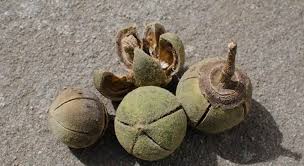
Uxakuxaku
Uxakuxaku: Zimbabwe’s Remarkable Snot Apple Some of Zimbabwe’s most fascinating fruits are not found in supermarkets. They grow on trees in the country’s woodlands, fields and rural landscapes, where generations of people have known them by names passed down through families. Uxakuxaku is one such fruit. Known in Shona as mutohwe or mugurura, and commonly called snot apple, slime apple, tree hibiscus or chewing-gum fruit in English, uxakuxaku is the fruit of Thespesia garckeana. It is a native tree of Zimbabwe and other parts of southern Africa. Its unusual sticky pulp, traditional uses and distinctive name make it one of Zimbabwe’s most interesting indigenous fruits. What is uxakuxaku? Uxakuxaku is a fruit produced by Thespesia garckeana, a small to medium-sized tree belonging to the Malvaceae, or hibiscus, family. The tree can grow to around 10 metres tall. It has broad, distinctive leaves and attractive yellow or purplish flowers with a dark centre. The fruit is rounded to oval and develops a sticky, glutinous interior as it matures. The tree is naturally found in Zimbabwe’s warmer woodland environments and is considered a native species. Why is it called uxakuxaku? One of the most fascinating things about indigenous fruits is the meaning hidden within their names. A discussion of Zimbabwean and Ndebele plant names suggests that uxakuxaku may be an onomatopoeic name, referring to the clicking sounds made while chewing the fruit. The explanation illustrates how traditional names can encode observations about the physical characteristics and use of a plant. This is more than an interesting linguistic detail. It demonstrates how traditional communities developed systems of knowledge based on close observation of the natural world. A plant was not simply given an arbitrary name. Its appearance, behaviour, taste or use could all become part of its identity. The “snot apple” The English name snot apple might sound unusual, but it refers to one of the fruit’s most distinctive characteristics. When ripe, the fruit contains a sweet, sticky, mucilaginous pulp. Research on Thespesia garckeana in Zimbabwe describes the ripe fruit as reddish, with short dense hairs on the outside. The fruit is traditionally eaten raw, with the seeds removed, and its pulp produces a sweet, glutinous substance. This unusual texture is also responsible for names such as slime apple and chewing-gum fruit. How is uxakuxaku traditionally eaten? Uxakuxaku has traditionally been consumed as a food rather than simply being regarded as a wild curiosity. Zimbabwean research records the fruit being eaten raw or boiled. Other research reports that ripe fruits may be eaten after removing the seeds and chewing the pulp, while some fruits may be dried. These methods demonstrate the flexibility of indigenous foods. Communities developed ways of enjoying seasonal produce while also finding methods of preserving or processing it. When does uxakuxaku come into season? The fruiting season can vary according to location and environmental conditions. Research on Zimbabwe’s edible indigenous fruits gives a broad fruiting period of approximately February to September for uxakuxaku, while other botanical research records seasonal variation. This long potential season helps explain why the fruit has been an important seasonal resource in communities where the tree occurs. Uxakuxaku and rural food systems Indigenous fruits can make an important contribution to food diversity, particularly in rural areas. A Zimbabwe Vulnerability Assessment Committee report on Matabeleland South recorded uxakuxaku among the indigenous fruits available to communities across the province. The survey reported particularly high availability in districts including Bulilima, Gwanda, Insiza, Mangwe, Matobo and Umzingwane. This provides an interesting picture of how indigenous fruits continue to form part of local food systems. They may not have the commercial visibility of oranges, apples or bananas, but they can still have considerable importance within communities. A fruit with nutritional potential Uxakuxaku has attracted scientific interest because of its nutritional and functional properties. Research into the fruit has examined its composition and its potential applications in food processing. One study specifically investigated pectin extracted from snot apple fruit, exploring its possible use in food products in Zimbabwe. This is particularly interesting because pectin is an important ingredient in food processing and can be used for properties such as thickening and gel formation. The fruit therefore represents more than a traditional snack. It may also contain components with potential value for food-product development. From indigenous fruit to food innovation One of the biggest questions surrounding Zimbabwe’s indigenous fruits is whether they can move beyond household consumption and become commercially useful products. Uxakuxaku provides an interesting example. Researchers have explored its pectin extraction and potential food applications, while wider studies of Zimbabwe’s indigenous fruits have highlighted opportunities for improved processing, preservation and commercialization. Potential areas for further development could include: Fruit-based products Dried fruit products Natural food thickeners Pectin extraction Jellies and preserves Traditional-food products New value-added foods Such development would require appropriate research, food-safety controls and sustainable harvesting. A tree with more than one purpose Uxakuxaku is considered a multipurpose indigenous tree. Research describes Thespesia garckeana as a tree whose fruit is edible and whose other plant parts have traditionally been associated with different uses. The species has also been identified as having potential for nutrition, health-related applications and income generation. Zimbabwe’s Useful Plants of Zimbabwe resource likewise lists Azanza garckeana under food and traditional medicinal uses. However, traditional medicinal uses should not automatically be interpreted as scientifically proven treatments for illness. They are better understood as part of the cultural and ethnobotanical knowledge surrounding the plant. Uxakuxaku and biodiversity Indigenous trees have ecological value in addition to their direct usefulness to people. Thespesia garckeana is described as a drought-resistant tree and can make a useful shade tree. Its broad leaves and distinctive flowers also make it visually notable within the landscape. Keeping such trees in agricultural and rural landscapes can therefore contribute to the preservation of local plant diversity while retaining useful food resources. Preserving the knowledge behind the fruit Perhaps the most valuable thing about uxakuxaku is the knowledge attached to it. There is knowledge about: The tree’s appearance