
Umtshwankela: Zimbabwe’s Chocolate Berry
There are fruits that arrive in supermarkets beautifully packaged and labelled, and then there are fruits that carry something different: memory, place and tradition.
Umtshwankela is one of those fruits.
Known in English as the chocolate berry and scientifically as Vitex payos, umtshwankela is a native Zimbabwean fruit that has been enjoyed as part of traditional food culture. In Shona, it is known by several names, including mutsubvu, mudyagava, muhubbva and mukubvu.
For many Zimbabweans, particularly those familiar with indigenous fruits, the sight of an umtshwankela tree can bring back memories of childhood, rural landscapes and the excitement of finding seasonal fruit.
What is umtshwankela?
Umtshwankela is the fruit of Vitex payos, a shrub or small tree belonging to the mint family, Lamiaceae.
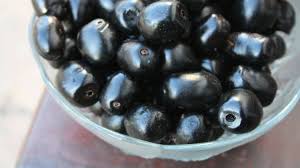
The tree has a distinctive appearance. It can have grey-brown, deeply fissured bark, while its leaves are compound and usually made up of five leaflets. Its flowers are small and attractive, with white petals and a deep mauve centre. The fruit develops into a fleshy, shiny, dark-coloured berry.
That dark fruit is the reason for its English name, chocolate berry.
A fruit rooted in Zimbabwean food traditions
Umtshwankela is not simply a botanical curiosity. It has been documented among Zimbabwe’s indigenous fruits and traditional foods.
Research on wild food plants in Zimbabwe records Vitex payos under the names mutsubvu, mudyagava and umtshwankela, with the fruit traditionally eaten raw. The same research records its availability during approximately April to June in some locations.
More recent research has also documented the consumption of umtshwankela in rural communities, demonstrating that indigenous fruits continue to form part of local food traditions.
What does umtshwankela look like?
The fruit is relatively small, fleshy and dark when mature.
Its appearance is one of its most distinctive characteristics. Instead of the bright colours associated with many commercial fruits, the ripe chocolate berry has a darker appearance that gives it its memorable English name.
The tree itself can also become an important feature of the landscape. Reports from Zimbabwe have documented families deliberately maintaining wild fruit trees around their homes, including umtshwankela, rather than removing them.
This practice reflects an important traditional understanding: a tree can be valuable even when it has not been planted as part of a formal orchard.
How is umtshwankela eaten?
Traditionally, the ripe fruit is eaten fresh, with the edible pulp consumed from the fruit. Zimbabwean indigenous-food research records the fruit being eaten raw.
This simple method of eating it is part of what makes indigenous fruits interesting. They can often be consumed with very little processing, allowing people to enjoy seasonal produce directly from the tree.
At the same time, traditional knowledge about any wild or indigenous fruit should be respected, and correct identification is important because different plants can have similar local names.
Why is it called the chocolate berry?
The English name chocolate berry is commonly associated with Vitex payos. Zimbabwe’s Flora database and national agricultural documentation both identify Vitex payos with this English name and umtshwankela as its Ndebele name.
The name gives the fruit an intriguing identity, especially to people encountering it for the first time.
But perhaps its most important identity is not its English name. It is the name used by the communities who have known the tree for generations.
Umtshwankela and biodiversity
Indigenous fruit trees are valuable components of Zimbabwe’s biodiversity.
Traditional agricultural practices have sometimes involved deliberately leaving useful indigenous trees standing when land is cleared for cultivation. Historical documentation of Zimbabwe’s indigenous fruit trees specifically includes Vitex payos among the trees conserved and valued by communities.
This illustrates an important principle of traditional land management: food production and conservation do not always have to be separate activities.
A tree growing naturally in a field can provide food while remaining part of the wider ecosystem.
A potential source of income
Umtshwankela also presents an interesting opportunity for thinking about the commercial potential of indigenous foods.
The fruit has traditionally been eaten fresh, but modern food innovation can sometimes find new ways of presenting traditional ingredients.
A striking recent example comes from the National University of Science and Technology (NUST), where its catering team incorporated umtshwankela pulp into a chocolate cake as part of an effort to reinterpret indigenous Zimbabwean foods through modern cuisine.
This demonstrates an important possibility: traditional foods do not necessarily have to remain confined to traditional forms of consumption.
With appropriate research, food-safety controls and community involvement, indigenous fruits can inspire new products and culinary ideas.
Preserving indigenous knowledge
Perhaps the greatest value of umtshwankela is not simply the fruit itself.
It is the knowledge surrounding it.
People have knowledge about when the fruit appears, where the trees grow, how the ripe fruit is recognised and how it is traditionally consumed. When younger generations become disconnected from indigenous foods, some of this knowledge can disappear.
Zimbabwe’s indigenous fruit heritage therefore deserves documentation and preservation.
Teaching children and young people about these plants can help create a connection between biodiversity, food, culture and history.
More than a wild berry
It is easy to look at a small dark fruit and think of it as insignificant.
But umtshwankela tells a much bigger story.
It tells the story of Zimbabwean landscapes, traditional food systems, indigenous trees and generations of knowledge. It also demonstrates that traditional foods can inspire modern innovation without losing their cultural identity.
From a fruit eaten fresh under the shade of a tree to an ingredient used in a modern dessert, umtshwankela shows how Zimbabwe’s natural heritage can connect the past with the present.
Umtshwankela at a glance
Ndebele name: Umtshwankela
English name: Chocolate berry
Scientific name: Vitex payos
Shona names: Mutsubvu, Mudyagava, Muhubbva, Mukubvu and others
Plant: Native shrub or small tree
Fruit: Fleshy, dark, shiny berry
Traditional use: Ripe fruit eaten fresh
Recorded season: Approximately April–June in some Zimbabwean locations
Celebrating what grows around us
Zimbabwe has an extraordinary collection of indigenous fruits, yet many remain unfamiliar outside the communities that have traditionally used them.
Umtshwankela reminds us that preserving Zimbabwe’s food heritage does not necessarily require looking far away.
Sometimes, it means looking again at the trees that have been standing around us for generations.
Umtshwankela is not merely a wild fruit. It is a small piece of Zimbabwe’s natural and cultural heritage.