
Idelele: The Traditional Zimbabwean Vegetable With More to Offer Than Meets the Eye
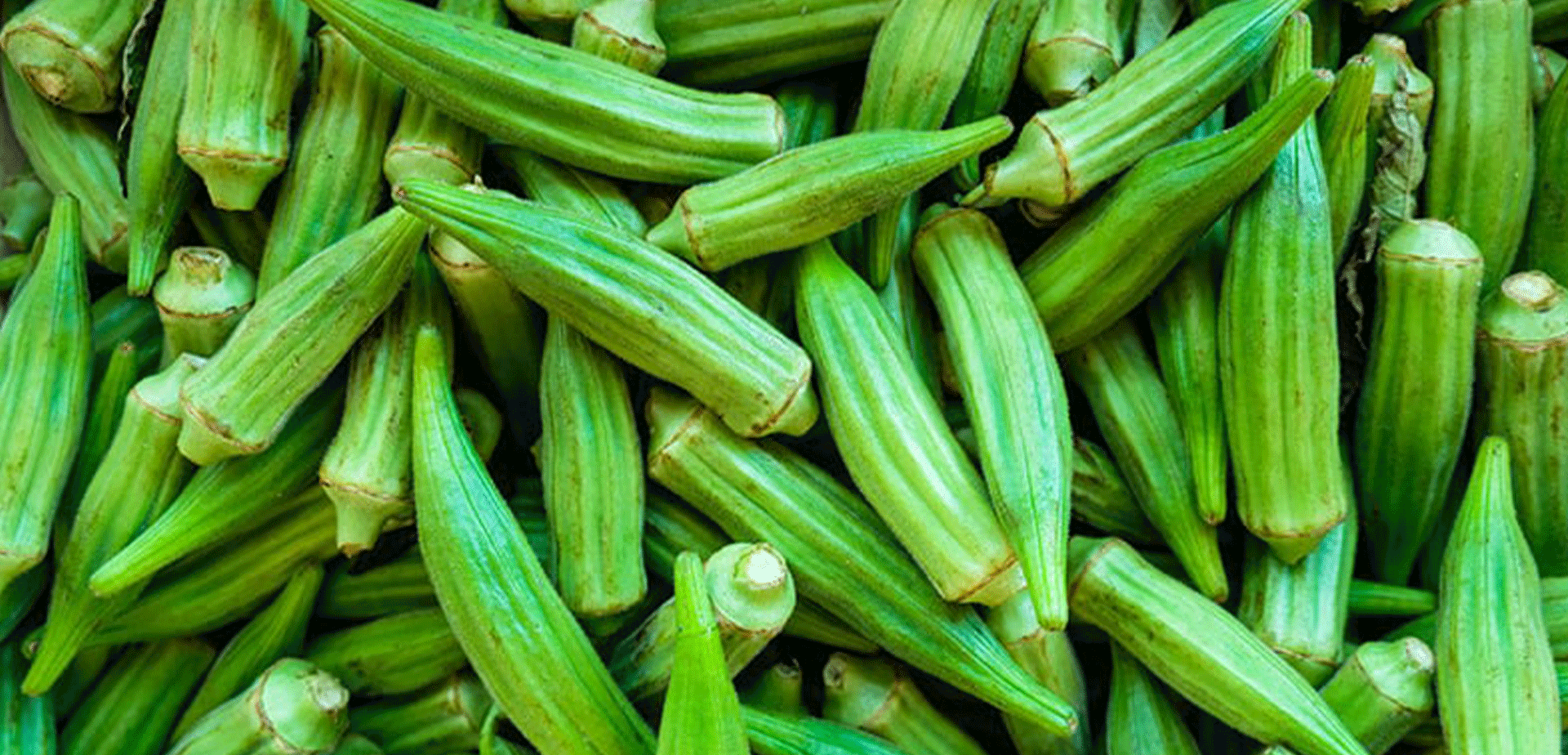
In many Zimbabwean homes, idelele is more than just a vegetable. Known as derere in Shona and commonly called okra or lady’s fingers in English, it has long been part of traditional Zimbabwean cooking.
Its distinctive green pods and naturally slippery, thickening texture make it instantly recognizable. For some people, that texture is exactly what makes idelele special; for others, it is an acquired taste. But behind this humble vegetable is a food with nutritional, cultural and even economic significance.
What exactly is idelele?
Idelele is the Ndebele name for Abelmoschus esculentus, the plant commonly known as okra. It belongs to the mallow family and is cultivated for its edible pods. The plant can grow to around two metres and produces attractive yellow flowers with dark centres before developing its characteristic pods.
Although okra is cultivated rather than classified as an indigenous Zimbabwean plant, it has become well established in Zimbabwean food culture.
Research documenting Zimbabwean traditional vegetables lists okra among commonly consumed vegetables, with the fruits being used as food and dried for later use.
Idelele in Zimbabwean cuisine
One of idelele’s defining characteristics is its natural mucilage — a substance that gives cooked okra its characteristic thick and slightly slippery consistency.
This natural thickening quality makes it particularly useful in traditional relishes, soups and stews.
It can be eaten fresh, cooked into a relish, or preserved by drying. Traditional knowledge documentation from Zimbabwe records practices in which okra is dried either raw or after partial boiling. In some areas, the whole plant is dried and later crushed into powder for use in soups and stews.
This is an important reminder that traditional food preservation was not simply about storing food. It was also a way of making seasonal produce available beyond its immediate harvest period.
A vegetable with nutritional value
Idelele can contribute a range of nutrients to the diet.
Okra contains dietary fibre and provides nutrients including vitamin C, folate, calcium and magnesium. Its mucilage also contributes to the characteristic texture that makes it useful as a natural thickener.
However, it is important not to present idelele as a miracle food or a treatment for disease. Its greatest nutritional value comes from being part of a varied and balanced diet.
Fresh or dried?
One of the fascinating aspects of idelele is that it can be enjoyed in different forms.
Fresh idelele
Fresh pods can be cooked as a vegetable or incorporated into relish and stews. Younger pods are generally preferred because they are more tender.
Dried idelele
Drying provides a way of preserving the vegetable for later consumption. Zimbabwean traditional-food research documents dried okra as part of indigenous food-preservation practices.
Dried idelele can subsequently be used in cooking, providing households with another way of maintaining access to vegetables outside the main growing period.
Idelele and food security
Traditional vegetables have an important role in household food security.
Research on Zimbabwean traditional vegetables has documented their contribution to household diets and noted that dried vegetables can become particularly valuable during periods when fresh vegetables are less available.
This makes foods such as idelele relevant to conversations about more than taste. They are also connected to seasonality, food preservation, household resilience and traditional knowledge.
From the family garden to business
There is also potential for idelele beyond the household kitchen.
Zimbabwe has a growing interest in African indigenous vegetables and traditional crops. The African Indigenous Vegetables Institute at Marondera University of Agricultural Science and Technology specifically includes okra (derere/idelele) among the vegetables it promotes for sustainable production, consumption and industrial use.
This opens possibilities for farmers and food entrepreneurs to explore products such as:
- Fresh okra
- Dried idelele
- Okra powder
- Packaged traditional vegetable products
- Processed relishes
- Value-added food products
Developing such products responsibly could help connect traditional food knowledge with modern markets.
Preserving traditional knowledge
There is another reason idelele deserves attention: knowledge preservation.
Zimbabwe has a rich tradition of preparing and preserving vegetables using locally developed methods. Documenting these practices helps ensure that knowledge passed from one generation to another does not disappear.
Research into Zimbabwean indigenous foods has repeatedly pointed to gaps in documentation, processing knowledge and commercialization of traditional foods.
Idelele therefore provides an interesting example of how an everyday food can sit at the intersection of culture, agriculture, nutrition and entrepreneurship.
Idelele is more than “just derere”
For someone who grew up eating idelele, it may seem like an ordinary vegetable. But look a little closer and there is a much bigger story.
It connects the garden to the kitchen, the kitchen to traditional knowledge, and traditional knowledge to modern questions about nutrition, food security and sustainable agriculture.
Whether served fresh in a relish, dried for later use or explored as a potential commercial food product, idelele demonstrates that some of the most valuable foods do not need to be exotic or fashionable.
Sometimes, they have been sitting in our gardens and kitchens all along.
Idelele — derere, okra, lady’s fingers — is a simple vegetable with a surprisingly rich story.