
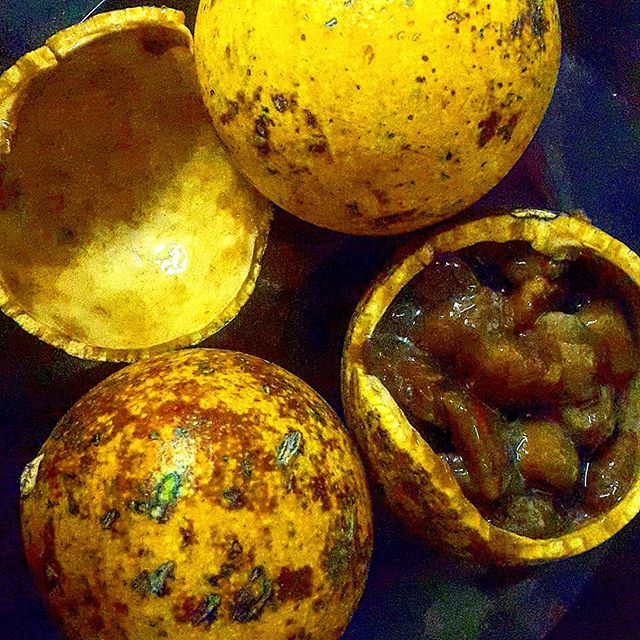
Umkhemeswane: Zimbabwe’s Indigenous Monkey Orange
When talking about Zimbabwe’s indigenous fruits, umkhemeswane is one of the traditional fruits that deserves more attention. Known in English as the bitter monkey orange, it is associated with the scientific name Strychnos cocculoides. In Shona, it is known by names including mutamba-muzhinya and muzhumu.
For generations, fruits such as umkhemeswane have formed part of Zimbabwe’s traditional food systems, particularly in rural communities. They are not simply seasonal snacks; indigenous fruit trees can contribute to food diversity, household nutrition and local livelihoods.
What is umkhemeswane?
Umkhemeswane is the fruit of a tree belonging to the Strychnos genus. The fruit has a characteristic hard outer covering, with edible pulp inside when mature. Historical descriptions of Zimbabwe’s indigenous foods record the ripe fruit as being eaten fresh.
The fruit is traditionally associated with the March-to-August period in Zimbabwe, although availability can vary according to location and seasonal conditions. Research on indigenous foods has documented the fruit being available in places including Bulawayo and Harare.
A fruit with cultural significance
One of the interesting things about umkhemeswane is the knowledge surrounding indigenous foods. Before supermarkets and modern food distribution systems became dominant, communities relied much more heavily on seasonal fruits, vegetables and other locally available foods.
Research into Zimbabwean indigenous food plants has documented umkhemeswane among fruits gathered and consumed by communities. More recent research has also recorded households in southern Zimbabwe gathering it as a seasonal food supplement.
This makes umkhemeswane part of a much bigger story: Zimbabwe has a rich indigenous food heritage that includes many fruits that are still relatively underappreciated.
Umkhemeswane and the environment
Indigenous fruit trees have value beyond the food they produce. Zimbabwean research has noted that indigenous fruits can form part of the food supply for both people and wildlife. This means conserving the trees can have ecological as well as nutritional importance.
Protecting indigenous trees also helps preserve traditional knowledge. When an indigenous fruit disappears from an area, communities can lose not only a food source but also knowledge about its seasons, harvesting and traditional uses.
More than just a “wild fruit”
There is an interesting debate in Zimbabwe about the terminology used for indigenous fruits. Calling these foods “wild fruits” can sometimes make them sound like products of little economic or cultural value.
Zimbabwean agricultural and academic discussions have increasingly highlighted the potential of indigenous fruits as local natural resources that can support food production, processing and enterprise development. Recent discussions around Zimbabwe’s indigenous fruit sector have specifically mentioned umkhemeswane alongside other indigenous fruits such as matamba.
This raises an important question: what if Zimbabwe’s indigenous fruits were treated not merely as traditional foods, but as part of the country’s agricultural heritage and future food economy?
Potential opportunities
There is considerable room for innovation around indigenous fruits. Depending on the particular species and appropriate food-safety practices, indigenous fruits can potentially become ingredients for processed foods and other products.
The broader indigenous-fruit sector already demonstrates possibilities such as juices, jams and other value-added products. Research has also highlighted the importance of indigenous fruits in household food systems and local markets.
For Zimbabwe, developing such resources responsibly could create opportunities for:
- Small-scale fruit growers
- Rural communities
- Food processors
- Researchers
- Indigenous-knowledge holders
- Agricultural entrepreneurs
- Conservation initiatives
Preserving the knowledge
Perhaps one of the most important reasons to talk about umkhemeswane is preservation of knowledge.
Younger generations may know common supermarket fruits such as apples, oranges and grapes while being less familiar with fruits that naturally occur in Zimbabwe. Documenting their local names, seasons, traditional uses and ecological importance helps prevent this knowledge from disappearing.
At the same time, traditional knowledge should be treated respectfully, particularly where communities have maintained and passed it down over generations.
A piece of Zimbabwe’s natural heritage
Umkhemeswane is more than an unfamiliar fruit growing somewhere in the bush. It represents a connection between food, culture, biodiversity and traditional knowledge.
Zimbabwe’s indigenous fruits offer an opportunity to look again at what grows naturally in the country and ask how these resources can be conserved, researched and responsibly developed.
The next time umkhemeswane appears in season, it is worth remembering that this humble indigenous fruit is part of a much larger story — the story of Zimbabwe’s botanical heritage and the traditional knowledge built around it.